
Grief is a deeply personal process facilitated by natural coping mechanisms like ritualization, which reduces symptoms of depression and anxiety. Bereavement house clearance services in areas like Bedfordshire, Devon, and East Sussex offer compassionate support, transforming physical spaces into healing sanctuaries. Integrating self-care practices, such as exercise, nature connections, art, and support groups, is crucial for emotional well-being during bereavement. Specialized services in Wiltshire, Northamptonshire, and Somerset provide holistic support, combining professional expertise with empathy to aid emotional processing and reclaiming spaces post-loss, fostering resilience and renewed hope.
Grief is a profound and complex experience, often exacerbated by the practical challenges of bereavement, such as house clearance. The process of dealing with a loved one’s possessions can be emotionally taxing, adding another layer to an already difficult time. This article explores self-care practices designed to support individuals navigating the multifaceted aspects of grief and bereavement, including house clearance. By integrating strategies that foster emotional well-being and practical assistance, from professional bereavement house clearance support, we aim to provide valuable insights for those seeking to manage both personal sorrow and logistical tasks during this transformative period.
- Understanding Grief: Recognizing Natural Coping Mechanisms
- Bereavement House Clearance: Navigating Physical Spaces Post-Loss
- Self-Care Strategies for Healthy Grieving Processes
- Support Networks and Practices for Lasting Bereavement Healing
Understanding Grief: Recognizing Natural Coping Mechanisms

Understanding Grief: Recognizing Natural Coping Mechanisms
Grief is a complex and deeply personal process, often triggered by significant losses such as the death of a loved one. While there’s no single way to navigate bereavement, recognizing and embracing natural coping mechanisms can provide invaluable support during this challenging time. Many individuals instinctively engage in specific behaviors that not only help them tolerate but also ultimately heal from their loss—behaviors that, when understood, can be cultivated and enhanced for optimal well-being.
Cheshire Bereavement house clearance services, for instance, often encounter clients who have turned to sorting through a deceased loved one’s belongings as a means of processing grief. This act, though seemingly mundane, reflects a profound natural coping mechanism known as ritualization. Creating or engaging in rituals—from cleaning out a home to scattering ashes—allows individuals to symbolically release their attachment to the past and embrace new realities. It’s a way of saying goodbye and finding closure, demonstrating that even in the midst of grief, there are practical steps one can take to reclaim control over their life.
Studies have shown that engaging in such activities can significantly reduce symptoms of depression and anxiety associated with bereavement. For instance, a study published in the Journal of Loss and Trauma found that individuals who actively participated in house clearance or other meaningful rituals reported higher levels of adaptation to loss one year later compared to those who did not engage in these practices. This suggests that while grief is inevitable, there are actionable ways to support oneself during a difficult clearance exactly as it unfolds—without feeling pressured or guilty about what’s “right” or “wrong.”
In the context of Cheshire Bereavement house clearance, professionals emphasize the importance of taking one’s time and being gentle with themselves. This includes setting realistic goals for clearing out belongings, seeking support from family and friends when needed, and prioritizing self-care activities such as exercise, adequate sleep, and mindfulness practices. By recognizing these natural coping mechanisms and integrating them into their post-loss routines, individuals can navigate the bereavement process in a way that honors both their grief and their need for healing.
Bereavement House Clearance: Navigating Physical Spaces Post-Loss

Navigating the physical spaces we inhabit plays a profound role in our emotional healing after loss. The process of bereavement house clearance goes beyond simply clearing out possessions; it involves creating an environment that reflects and supports our journey through grief. In regions like Bedfordshire, Devon, and East Sussex, where communities often come together to offer support during difficult times, specialized bereavement house clearance services can provide invaluable assistance.
After the passing of a loved one, homes can become overloaded with memories and remnants of a life now changed. Professional bereavement house clearance experts understand this unique challenge and tailor their services to make the process as smooth and comforting as possible. They employ compassionate, discreet, and professional methods, ensuring that every detail is handled with care and respect. This includes managing sensitive items, disassembling furniture if necessary, and even providing guidance on downsizing or reorganizing spaces post-clearance to foster a sense of calm and tranquility.
Moreover, these services offer bereavement house clearance support naturally by integrating with local communities’ efforts to provide comfort and assistance during this vulnerable period. In Bedfordshire, Devon, and East Sussex, where neighbors often check in on one another during times of loss, professional clearances can facilitate these community bonds. By offloading the physical burden, families are better equipped to focus on their emotional healing, ensuring that their home environment becomes a sanctuary for reflection and recovery—a space that gives them the strength to find healing in a cleared space, as many discover along their individual journeys of grief.
Self-Care Strategies for Healthy Grieving Processes
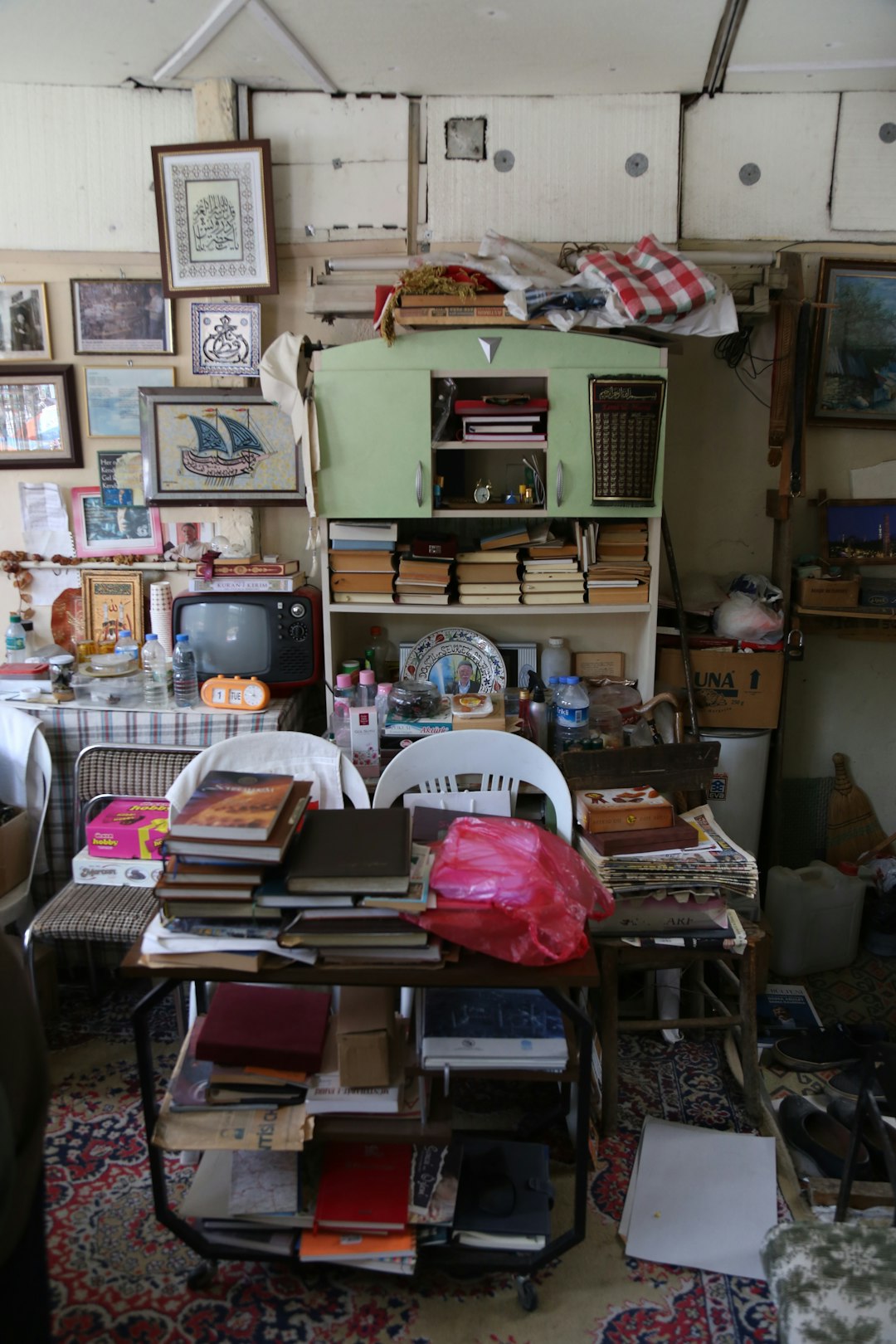
Grief is a profoundly personal experience, yet it’s important to understand that it doesn’t have to be traversed alone or in isolation. Effective self-care strategies play a crucial role in navigating the complexities of bereavement, helping individuals process their emotions and find solace during difficult times. This involves more than just fleeting moments of relaxation; it entails adopting holistic practices tailored to support healthy grieving processes.
For many, engaging in meaningful activities that connect them to nature, such as walking or gardening, can be profoundly beneficial. These experiences offer opportunities for reflection and introspection, allowing individuals to process their grief at their own pace. In regions like Worcestershire, bereavement house clearance services that prioritize a sensitive approach not only provide practical support but also create space for personal contemplation. For instance, professional organizers in West Sussex and Hampshire often incorporate compassionate practices into their bereavement clearance processes, ensuring that the physical environment reflects the emotional state of the grieving individual.
Practical self-care strategies include establishing routines that promote mental and physical well-being. Regular exercise, whether it’s a gentle walk or a yoga session, releases endorphins that can alleviate stress and improve mood. Similarly, maintaining a balanced diet ensures that the body receives the necessary nutrients to support overall health during a stressful period. Engaging in creative outlets like art or writing can also be therapeutic, offering channels for expressing emotions too profound for words.
Support groups, whether online or in-person, provide invaluable spaces for sharing experiences and connecting with others who have gone through similar journeys. This sense of community can foster a feeling of belonging and alleviate the burden of isolation. As individuals navigate their grief, it’s essential to be patient and compassionate with themselves, recognizing that healing is a unique and personal process. By integrating these self-care practices into daily life, one can cultivate resilience and gradually build a new beginning after clearance, as exemplified by those who have successfully navigated bereavement in various settings, including Worcestershire, West Sussex, and Hampshire. Find us at [your organization/resource] to explore more tailored support for your unique needs.
Support Networks and Practices for Lasting Bereavement Healing

In navigating the profound emotional landscape of bereavement, establishing robust support networks is akin to finding a haven amidst a storm—a safe space where healing can begin and flourish. This crucial aspect of self-care during bereavement often involves seeking professional guidance from specialized clearances services, especially when dealing with house clearance after loss. For instance, in regions like Wiltshire, Northamptonshire, or Somerset, dedicated bereavement house clearance support ensures a sensitive and respectful process, facilitating the transition from grief to healing.
The impact of these support networks is profound. According to recent studies, individuals who engage in meaningful social interactions post-loss tend to exhibit lower levels of depression and anxiety, demonstrating the vital role of community and professional aid in bereavement care. A bereavement house clearance service doesn’t merely tackle physical clutter; it offers a sympathetic ear and expert guidance, making the process less daunting. This support is particularly beneficial when dealing with complex situations like empty homes or significant personal possessions, where specialized teams can provide both emotional comfort and practical solutions.
At its core, bereavement house clearance support naturally incorporates various practices to foster healing. These include pre-clearance consultations to understand familial needs, gentle and respectful disposal of items, and aftercare services for those struggling with the aftermath. For example, some companies offer personalized grief counseling sessions during or following the clearance process. This holistic approach recognizes that bereavement is not merely a transactional event but a deeply personal journey requiring nuanced care. By combining professional expertise with empathy, these services create a supportive environment where individuals can find solace and begin to rebuild their lives post-loss.
Ultimately, finding the right support network for bereavement house clearance in Wiltshire, Northamptonshire, or Somerset is about embracing the journey towards healing. It encourages individuals to take steps towards processing emotions, honoring the departed, and reclaiming personal spaces in a way that feels safe and meaningful. For those navigating this challenging time, seeking out such specialized services—and understanding how to handle emotions during a difficult clearance—can be transformative, providing a path towards resilience and renewed hope.
The article has provided a comprehensive look at grief—a complex human experience—and highlighted practical self-care practices essential for healthy grieving processes. By understanding natural coping mechanisms and recognizing the impact of physical spaces post-loss, individuals can begin to navigate their bereavement journey more effectively. Integrating self-care strategies, such as mindfulness, exercise, and social connection, offers a nurturing environment for healing. Furthermore, building and leveraging support networks—both within communities and through professional practices—is crucial for lasting bereavement healing. Bereavement house clearance, when approached with care, can be a significant step in this process, allowing individuals to naturally let go of physical reminders while supporting their emotional recovery. These insights underscore the importance of self-compassion, connection, and intentional practices during times of loss, providing readers with actionable steps to navigate grief and find resilience.