
Friends provide crucial bereavement house clearance support by offering emotional comfort, practical assistance, active listening, and shared rituals. Their role enhances emotional well-being, navigates loss complexities, and facilitates closure through gentle professional services in regions like Bedfordshire, West-Sussex, Dorset, etc. Bereavement house clearance becomes a collaborative effort, healing individuals through community bonds and natural support strategies.
Friends play an invaluable role in our lives, and their importance intensifies during times of bereavement. Navigating grief is a deeply personal journey, yet having a support system can significantly ease the burden. This article delves into the multifaceted ways friends contribute to healing and recovery in the aftermath of loss. Through exploring practical strategies and emotional dynamics, we uncover the significance of friendship as a powerful tool for navigating the complex landscape of bereavement house clearance support. By understanding these dynamics, individuals can cultivate meaningful connections that foster resilience and offer crucial assistance during one of life’s most challenging periods.
- Understanding the Impact of Friends in Bereavement
- Navigating Loss Together: The Power of Supportive Friendships
- Bereavement House Clearance: How Friends Can Help
- Creating a Supportive Environment After a Loved One's Death
- The Role of Active Listening in Grief Support
- Rebuilding and Healing: Friendship as a Pillar Through Bereavement
Understanding the Impact of Friends in Bereavement

Friends play a crucial role in the complex landscape of bereavement, offering unique support systems that can significantly impact healing and adaptation. Beyond providing emotional comfort, friends can facilitate practical tasks, like handling Hampshire bereavement house clearance, which, during an already overwhelming time, alleviates stress. This kind of support is vital, as research shows individuals who experience social support during bereavement tend to cope better with grief.
In the aftermath of loss, a supportive friend may serve as a source of stability and perspective, helping to navigate the myriad emotions that surface. They can offer a listening ear, provide comforting distractions, or simply be present without judgment. In some cases, friends might even encourage engaging in rituals to remember a loved one, such as giving us a call at [your service name] for bereavement house clearance support naturally, which can aid in the process of letting go while honoring the deceased.
While every individual’s experience is unique, having a strong social network, including friends from various walks of life—including those in Bedfordshire or Hertfordshire who specialize in bereavement house clearance—can act as a powerful buffer against the isolating nature of grief. These connections foster a sense of belonging and can provide much-needed distraction from the pain. Ultimately, the impact of friends during bereavement is profound, offering both tangible assistance and emotional comfort necessary for navigating this challenging period.
Navigating Loss Together: The Power of Supportive Friendships

Friends play an invaluable role in navigating loss together, offering a unique support system during one of life’s most challenging times. In the aftermath of a significant bereavement, close companions can be a beacon of comfort and strength, helping individuals process their grief while fostering a sense of belonging. This dynamic is particularly crucial when dealing with the complex emotions that arise from losing a loved one—a process often facilitated by professional bereavement house clearance support in regions like West-Sussex, Dorset, and North-Yorkshire.
The power of supportive friendships during bereavement lies in shared experiences and empathy. Friends who have endured similar losses can provide an understanding ear, offering guidance based on their own journeys through grief. This camaraderie naturally translates into practical assistance, whether it’s helping with funeral arrangements, sorting through belongings to transform a home into a testament to love, or simply being present during the difficult house clearance process—a task that many find overwhelming in the wake of such an emotional event. For instance, studies have shown that individuals who maintain strong social connections post-loss tend to experience more positive coping outcomes and higher overall life satisfaction.
In the context of bereavement, friends serve as a crucial support network, helping individuals preserve memories while also encouraging them to gradually re-engage with their daily lives. This dual aspect of support—both emotional and practical—is vital for healing and adaptation. When friends step in to assist with the practicalities of house clearance, they offer a much-needed respite from the weight of decision-making during an already emotionally taxing time. As such, it’s not just about clearing out physical spaces but also about facilitating emotional clearance, allowing individuals to find peace amidst the remnants of their loved one’s life and home. This process can be naturally guided by close friends who understand the importance of transforming a bereavement house into a space that honours the memory of the departed while setting a new chapter in motion.
Bereavement House Clearance: How Friends Can Help

Bereavement house clearance can be an overwhelming task for anyone grappling with loss. Friends play a crucial role in supporting bereaved individuals during this difficult process, offering both emotional comfort and practical assistance, especially when it comes to managing the deceased’s belongings. This support is vital, as navigating the aftermath of a loved one’s passing can be emotionally taxing, leaving little room for dealing with logistics. In regions like Dorset, Worcestershire, and Cheshire, where residents often face unique challenges in bereavement clearance, friends’ involvement can make a significant difference.
When a friend loses a close relative or companion, they may find themselves in need of help organizing and clearing out the deceased’s home. This is where professional bereavement house clearance services come into play, offering specialized support tailored to individual needs. These services understand the sensitivity involved in dealing with a loved one’s belongings and ensure everything is handled with care and respect. For instance, companies specializing in Dorset bereavement clearance, Worcestershire bereavement clearance, or Cheshire bereavement clearance can provide a range of benefits, from sorting through personal items to coordinating disposals or donations responsibly.
One practical way friends can lend support is by assisting in the initial assessment of the house’s contents. They can help identify valuable items that may require special handling or sentimental pieces with sentimental value. This collaborative approach allows for better planning and ensures any irreplaceable mementos are preserved appropriately. Furthermore, friends can offer companionship during the clearance process, providing emotional backing as difficult decisions are made regarding the disposition of various belongings. It’s essential to remember that every individual grieves differently, so flexible support is key.
In addition to direct assistance, friends can provide valuable resources and guidance on navigating bereavement house clearance. They can recommend reputable local services or offer advice on legal considerations involved in clearing out a home. Encouraging the bereaved individual to plan ahead for future needs, such as estate planning and advance directives, is also beneficial. By giving us a call at [Your Company/Service], we can help you plan for future house clearance, ensuring peace of mind during an otherwise challenging time.
Creating a Supportive Environment After a Loved One's Death
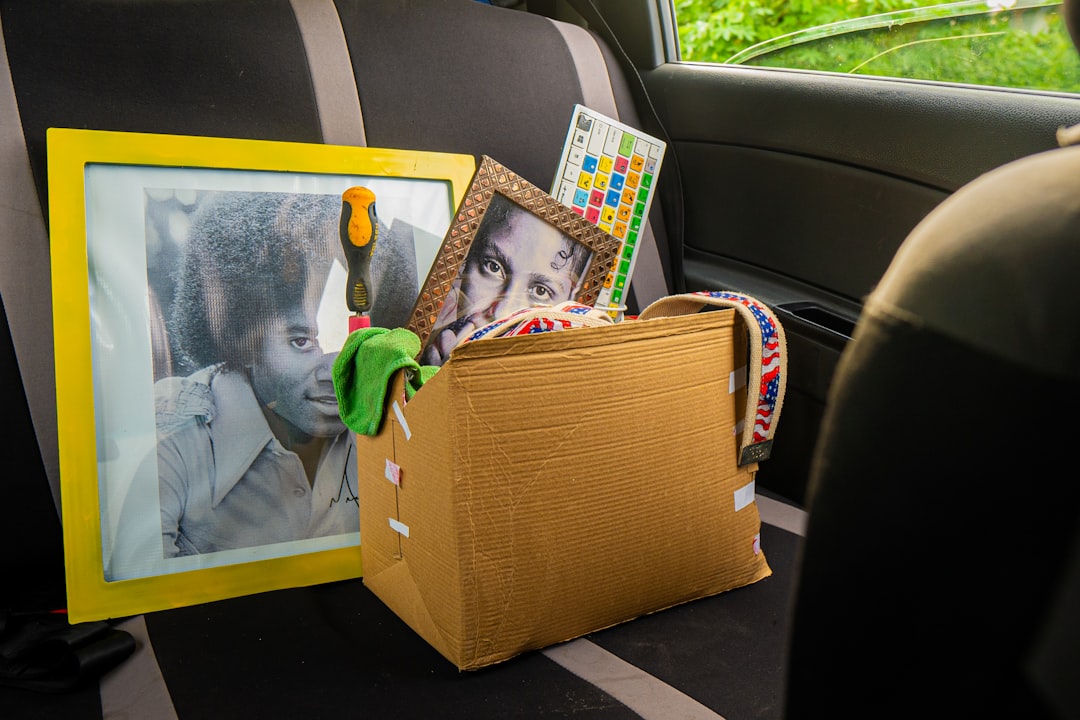
After a loved one’s passing, creating a supportive environment is crucial for those navigating bereavement. This includes more than just offering emotional support; it involves practical assistance in managing the aftermath of their death. One significant aspect often overlooked but immensely valuable is facilitating bereavement house clearance. A gentle yet thorough process, this support naturally extends beyond physical possessions to include memories and mementos, helping individuals find closure while respecting their late relative’s wishes.
In regions like Hampshire Bereavement clearance, Oxfordshire Bereavement clearance, and Devon Bereavement clearance, professional services are available to assist families in handling the complex task of clearing a loved one’s residence. These experts understand that every item holds a story, and they approach the process with sensitivity and care. They provide not just physical removal but also documentation for any valuable items or sentimental pieces, ensuring transparency and peace of mind. This level of support is invaluable, especially during an already emotionally challenging time.
Furthermore, as part of this supportive environment, addressing pet-related concerns after a loss is essential. How to handle pets after a loved one’s death requires unique consideration, given the profound bond humans share with their furry companions. At our organization, we offer guidance and resources for managing pet care during bereavement, ensuring these loyal friends receive the necessary attention and support. This holistic approach to healing recognizes that pets can play a significant role in facilitating closure and offering comfort during this difficult period.
By combining professional bereavement house clearance services with empathetic considerations for pets, individuals can start their journey of healing. It’s about creating a safe space where memories are honoured and practical tasks are managed, allowing those in bereavement to focus on their emotional well-being and gradually rebuild their lives while keeping their loved ones’ legacies alive in their hearts.
The Role of Active Listening in Grief Support

Friends play a crucial role in bereavement support, offering comfort and companionship during an intensely difficult time. One of the most powerful ways friends can help is through active listening—a skill that can significantly enhance grief support. This involves fully engaging with the griever, paying attention not just to their words but also their non-verbal cues and emotional states. It means creating a safe space where they feel heard, understood, and supported without judgment.
In the context of Bristol bereavement clearance or Gloucestershire bereavement clearance, for instance, friends can play an invaluable role in helping individuals process their loss while clearing out items that hold sentimental value. They can assist in sorting through possessions, making decisions about what to keep and what to let go of, all while offering empathetic ears and gentle guidance. This dual support—both emotional and practical—is key to navigating the complexities of bereavement.
Active listening goes beyond simply being present; it requires active participation. Friends can reflect back what they’ve heard to ensure understanding, ask thoughtful questions that encourage deeper sharing, and offer relevant resources or suggestions tailored to the griever’s unique needs. This level of engagement fosters a sense of community and belonging, which is essential for healing in the aftermath of loss.
Data suggests that social support during bereavement can significantly mitigate the risk of depression and anxiety. By providing active listening and emotional support, friends naturally facilitate the process of finding peace in a cleared space—whether that means physically clearing out a home after a loved one’s passing or metaphorically helping someone find clarity and closure through conversation. Visit us at how to find peace in a cleared space anytime for more insights into this transformative journey.
Rebuilding and Healing: Friendship as a Pillar Through Bereavement

The journey through bereavement is a deeply personal one, and friends play a crucial role in helping individuals rebuild and heal. Beyond offering emotional support, friendships can serve as a stable pillar during this challenging period. In many cases, individuals find solace in maintaining routines and engaging in rituals with close companions—actions that can facilitate the process of coming to terms with loss while also honoring the memory of their loved one. For instance, a bereavement house clearance in Bristol or Northamptonshire might become a collaborative effort among friends who want to support their grieving friend naturally. These activities, such as clearing out items that remind them of their deceased relative, can be therapeutic and help foster a sense of closure.
In regions like Oxfordshire, where communities often embrace strong bonds, friendship becomes an integral part of the healing process. Friends may assist with practical tasks or simply offer a listening ear, providing a much-needed respite from the intensity of grief. Research suggests that social support during bereavement can significantly enhance emotional well-being and promote resilience (Kiecolt-Glaser et al., 2015). This is particularly evident in group settings where shared experiences and mutual understanding create a supportive network for individuals navigating their sorrow. Engaging in activities like visiting a loved one’s gravesite or participating in specific rituals can be comforting, allowing friends to collectively remember the deceased through meaningful actions that resonate with their unique bond.
To support a friend experiencing bereavement, consider offering practical assistance, active listening, and meaningful gestures. Encourage them to engage in rituals or routines that honor their loss while also providing opportunities for closure and reflection. Visit us at [website] to learn more about how to remember a loved one through rituals and routines, fostering a natural and supportive environment that aids in the healing process. By embracing these strategies, friends can play an invaluable role in helping individuals rebuild after the profound experience of bereavement.
Friends play a profoundly important role throughout the bereavement process, from initial support during loss to helping with practical tasks like bereavement house clearance. Their presence offers comfort, helps navigate complex emotions, and aids in rebuilding lives after a loved one’s death. Active listening is crucial for providing meaningful grief support, fostering honest conversations, and allowing individuals to express their feelings freely. By creating supportive environments and offering consistent companionship, friends become pillars of strength during healing journeys. The article underscores the value of cultivating and nurturing these relationships, as they significantly impact an individual’s ability to cope with loss and move forward.