The preservation of historical homes is a critical aspect of cultural heritage, but when a homeowner faces bereavement, the subsequent house clearance process can be overwhelming. Many families struggle to handle the legal and practical considerations, especially when dealing with valuable and historic properties. This is where specialized bereavement house clearance support becomes essential.
The challenge lies in the complex web of estate planning, probate court procedures, and the need to handle personal items with cultural sensitivity. A well-organized, compassionate approach is required to ensure a smooth transition for the grieving family. We will explore how professional services cater to these unique needs, offering guidance and support throughout the process.
- Understanding the Emotional Process: Grieving and Property
- Legal Considerations for Estate Clearance
- Documenting Historic Home Value: An Expert's Guide
- Safe Disposal: Handling Valuables and Sentimental Items
- Collaborating with Bereavement House Clearance Professionals
- Restoring and Preserving Historical Homes: Post-Clearance Steps
Understanding the Emotional Process: Grieving and Property

Grief and the process of letting go of a loved one's home can be a complex and emotionally charged experience. When facing bereavement, individuals often find themselves overwhelmed with the task of clearing and selling a property, especially when it holds sentimental value. This is where specialized support becomes invaluable.
The process of house clearance during bereavement requires sensitivity and expertise. It involves more than just removing possessions; it's about respecting the memory of the deceased and facilitating the healing process for the grieving family. Many people don't realize that professional house clearance services can offer more than just practical assistance. They provide an essential support network, helping individuals handle legal and practical considerations, such as probate and estate planning, while also offering a listening ear and emotional support. A reputable house clearance company can guide families through the often confusing legal process, ensuring that all necessary documents are in order, and even connect them with local grief support groups for additional comfort.
In the UK, with its diverse and historically rich housing stock, the need for these services is significant. Consider the vast array of locations where families might require such support: from the bustling cities like London, Oxford, and Gloucester, to smaller towns and rural areas like Swindon, Reading, and Taunton. Each location presents unique challenges, from navigating urban property laws to dealing with rural land registry issues. A property in a conservation area may require special considerations, as did the recent case of a family in Cambridge who needed to clear their late relative's historic home while adhering to local preservation guidelines.
When choosing a bereavement house clearance support service, it's important to look for companies with a proven track record and a deep understanding of the community. These experts can offer tailored solutions, ensuring the process is as smooth as possible. They can also provide valuable insights into estate planning and legacy building, helping families make informed decisions about the future of their late loved one's belongings. Remember, when facing the loss of a home, it's beneficial to seek out professionals who can not only handle the practical aspects but also offer empathy and care during this difficult time.
Legal Considerations for Estate Clearance

When dealing with the legal considerations of estate clearance, especially in the context of historical homes, it's important to understand the complex web of regulations and procedures. Each property has its unique story, and so does the legal process that follows its owner's passing. This is where expert bereavement house clearance support becomes invaluable.
In the UK, estate planning and probate are governed by the Estate Planning Act and the Probate Court. Legal Executors play a vital role in administering the estate, ensuring that all debts are settled, taxes paid, and assets distributed according to the will or the rules of intestacy. This process can be particularly intricate when dealing with historic properties, which often come with unique architectural features, antique furnishings, and valuable artifacts. A property in Gloucester might require specialized clearance due to its collection of rare books or antique clocks, each with its own provenance and potential heritage value.
Client services in this sector extend beyond legal compliance. Estate sales companies and auction houses often collaborate with bereavement support groups to provide a compassionate and efficient service. These groups offer grief support alongside professional clearance, ensuring that the process is as stress-free as possible for the family. Many organizations, like those offering house clearance in London or outside, have community outreach programs, providing resources and information on estate planning, legacy building, and cultural sensitivity training.
A practical step for families considering estate clearance is to assess the property's unique needs. Is it a period property with original features? Does it contain valuable collections or heirlooms? Understanding these aspects can guide the selection of a suitable clearance service. A house clearance company in Swindon might specialize in handling period properties, ensuring that historical value is preserved and any restoration requirements are noted. By combining legal expertise with sensitive client engagement and specialized services, bereavement house clearance support can transform a challenging time into a well-managed transition, allowing families to create a new chapter.
Documenting Historic Home Value: An Expert's Guide

In the context of estate clearance, especially for historically significant homes, meticulous documentation is key to preserving the property's value and legacy. This process demands a nuanced understanding of the property's unique features, historical context, and market potential. An expert's guide to documenting historic home value involves a multi-step approach that combines practical considerations, legal awareness, and a deep cultural sensitivity.
when dealing with a property in Oxford, the process might involve collaborating with local probate courts and legal executors to ensure compliance with the Estate Planning Act. This includes meticulously recording the property's history, any restoration work, and its current state. For a home in the Cotswolds, the focus could shift to documenting unique architectural features, historic fixtures, and the property's role in the local community. This level of detail is important for estate sales companies and auction houses, who rely on accurate appraisals to market the property effectively.
The documentation process also matters in supporting bereavement house clearance. Clients facing life transitions, such as the loss of a loved one, can benefit from professional guidance during this challenging period. By providing clear and detailed documentation, estate sales consultants can facilitate a smoother transition, ensuring that the property is cleared according to the client's wishes and any legal requirements. This includes handling sensitive items, cultural artifacts, or heirlooms that may have sentimental value.
Consider a case where a family in Cambridge is clearing a home filled with antiques and family mementos. The estate clearance support team would document each item, its provenance, and its potential historical significance. This not only aids in the sale or donation process but also provides a record for the family's emotional and financial peace of mind. A 19th-century painting could be appraised and documented, its value to the family and market potential noted, ensuring a proper legacy for this piece.
Community outreach and collaboration with charitable organizations also play a significant role in bereavement house clearance. Local support groups can offer grief counseling and practical assistance, ensuring that the client receives complete support throughout the process. By combining these services with expert documentation, bereavement house clearance support can be a beacon of guidance during a difficult time, ensuring that the property is cleared, valued, and its legacy preserved.
Safe Disposal: Handling Valuables and Sentimental Items
When dealing with the safe disposal of valuables and sentimental items from a historical home, it's important to approach the process with care and expertise. Estate clearance services, especially for properties with significant historical value, require a nuanced understanding of the items' emotional and monetary worth. An 18th-century painting or an antique furniture piece may have considerable market value and sentimental significance for the deceased's family.
Professional estate clearance companies, such as those offering services in Oxford, Swindon, or any of the listed towns (Andover, Basingstoke, Bedford, etc.), employ specialists who can accurately assess the items' value. This involves not only appraising their monetary worth but also understanding their cultural and historical significance. A family heirloom passed down through generations might have a priceless sentimental value that can't be matched by any monetary offer. The service provider will handle these items with the utmost care, ensuring their safe removal and, where appropriate, conservation.
In the case of probate clearance, legal considerations come into play. Estate planning and the subsequent distribution of assets are governed by the Estate Planning Act and, in many cases, the Probate Court. Legal executors play a vital role in ensuring that the wishes of the deceased are respected during the clearance process. This is where professional clearance companies can offer invaluable assistance, guiding families through the legal aspects while handling the practicalities of the clearance. By partnering with specialized estate clearance experts, families can have peace of mind, knowing that their late relative's property is in capable hands.
the support extends beyond the practical and legal. Many families find comfort in donating items of sentimental value to charitable organizations or grief support groups. These items can serve as a lasting memory of the deceased, providing some sense of closure. Gently used clothing or kitchenware can find new homes with families in need, fostering a sense of community and compassion. This aspect of the clearance process is not just about removing clutter; it's about transforming a difficult situation into a meaningful opportunity for connection and support.
Collaborating with Bereavement House Clearance Professionals
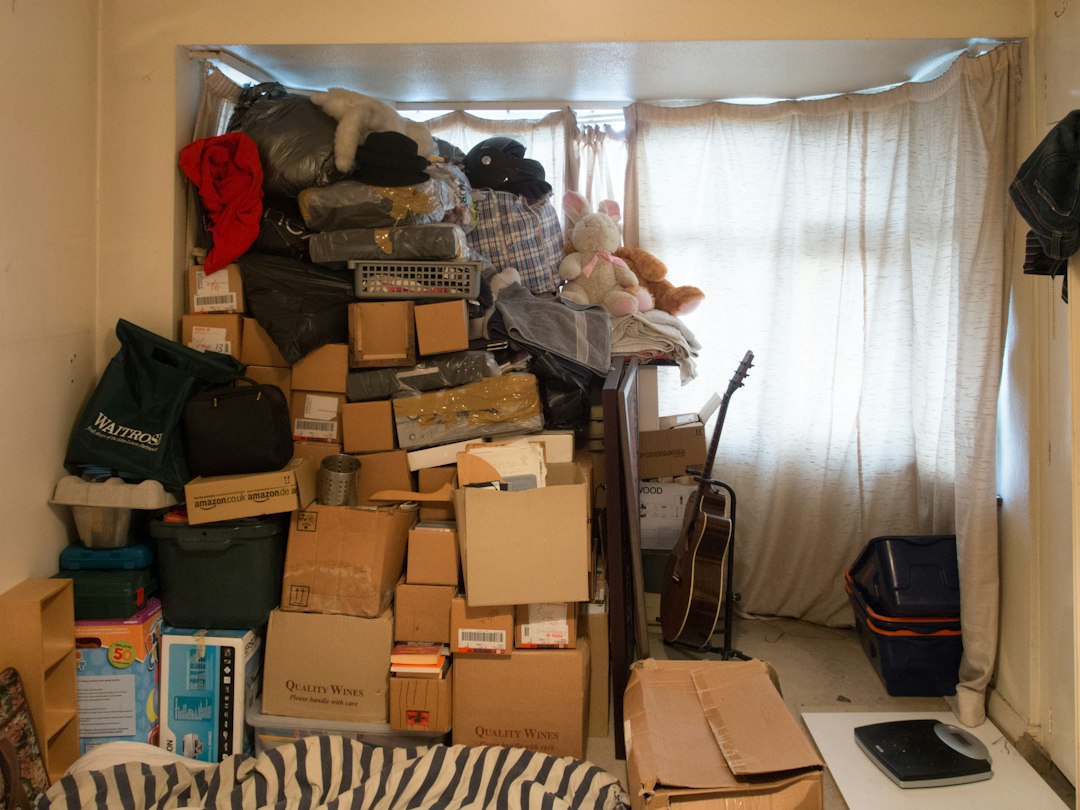
The support can be a vital service for families navigating the complex process of estate clearance after a loved one's passing. When dealing with historical homes, this support becomes even more critical due to the unique challenges and emotional weight involved. Collaborating with professionals in this field ensures that the process is handled with care and expertise.
Andover to Windsor, and from Cambridge to Salisbury, house clearance services tailored to bereavement are available across the UK. Companies like Oxford Bereavement House Clearance specialize in providing a sympathetic and efficient service, understanding the delicate nature of each case. They offer not just physical clearance but also emotional support, ensuring that families can grieve without the added stress of managing a complex property transition. These professionals handle every aspect, from the legal and practical considerations, such as dealing with Probate Courts and Legal Executors, to the practical tasks of sorting, packing, and disposing of contents.
Many of these companies also collaborate with local charities, auction houses, and grief support groups to offer comprehensive solutions. Swindon Bereavement House Clearance not only facilitates the clearance of the property but also connects families with appropriate community resources, ensuring that the legacy of the deceased is supported beyond the physical space. They understand that each home tells a story, and their goal is to preserve that story while respecting the family's privacy and wishes. By engaging with professionals who offer both practical and empathetic services, families can find peace of mind during what is often a difficult and emotional time.
Restoring and Preserving Historical Homes: Post-Clearance Steps
Restoring historical homes after clearance involves a meticulous process designed to preserve their unique character and cultural significance. Post-clearance steps demand a nuanced approach, combining professional expertise with a deep understanding of the property's history. This is where the support can play a vital role, offering specialized services tailored to the sensitive needs of clients dealing with the loss of a loved one while also ensuring the preservation of heritage.
In the case of homes with historical value, every detail matters. This includes not just the physical structure but also any artifacts, documents, or architectural features that contribute to their past. A 17th-century manor house in Wiltshire, following clearance, required meticulous restoration work to preserve its original timber framing and restore the grand staircase. Such intricate projects demand a team with the skills and knowledge to handle valuable, often irreplaceable, items. Professional bereavement clearance services often include specialized conservation and restoration expertise, ensuring that historical homes are not just cleared but also preserved for future generations.
After the initial clearance, a thorough cleaning and decontaminating process is essential, especially in older properties. This is not just about hygiene but also about stabilizing the environment to prevent further deterioration. A 19th-century house in Oxford, after being cleared and cleaned, required a specialized treatment to mitigate wood rot and ensure the structural integrity of its Victorian architecture. This phase is important, as it lays the groundwork for successful restoration and helps extend the life of the historical home.
Finally, post-clearance support includes coordinating with local authorities, historical societies, and conservation groups to ensure compliance with regulations and to maintain the property's historical record. A property in Gloucestershire, with roots dating back to the Norman era, required permission from the local Planning Department and consultation with a Heritage Officer before any restoration work could commence. This collaborative approach ensures that the historical integrity of the home is respected and documented throughout the restoration process.
If you're facing the sensitive task of clearing and restoring a historical home, consider reaching out to a reputable bereavement house clearance service. They bring expertise, cultural sensitivity, and a commitment to preserving heritage, ensuring that your property is handled with the care it deserves.
Frequently Asked Questions About Estate Clearance for Historical Homes
What are the unique challenges of clearing an estate in a historical home?
Estate clearance in historical homes presents specific challenges due to their age and cultural significance. These properties often contain rare and valuable artifacts, original architectural details, and materials no longer in common use. A specialized approach is required to preserve these assets while clearing the space. Professional estate clearance services understand these nuances, ensuring that historical homes are treated with respect and that valuable items are properly documented and removed.
How do I know if my historical home needs estate clearance?
If the historical home is vacant or the owner is moving, estate clearance might be necessary. When a property is willed to a new owner or designated as a historical landmark, a thorough clearance is often required to meet preservation standards. Signs of hoarding or long-term neglect can also indicate the need for a professional clearance service.
What services does an estate clearance team provide for historical homes?
Estate clearance teams offer specialized services tailored to historical homes, including: appraisals of antique and vintage items, careful disassembly and documentation of architectural features, removal and storage of valuable or period furnishings, and safe disposal of non-preservable materials. They also work closely with local historical societies and preservation experts to ensure compliance with regulations.
Are there legal considerations when clearing an estate in a historical property?
Yes, estate clearance in historical homes is subject to various legal considerations. Local, state, and federal laws protect historical properties and their contents. Estate clearance teams are familiar with these regulations and ensure compliance. This includes obtaining necessary permits, documenting the removal of historical artifacts, and adhering to guidelines for preserving cultural heritage.
How can I ensure that the clearance process respects the historical significance of the home?
To ensure the process respects historical significance, work with a reputable estate clearance service that has experience in historical properties. They should have a thorough understanding of the home's history and value. Communication is key; discuss your concerns and expectations early on. Consider involving local historians or preservation consultants to advise on the clearance and preservation of significant items.
What happens to the items cleared from a historical home?
Items cleared from a historical home can be sold, donated to museums or cultural organizations, or disposed of responsibly based on their condition and historical value. Estate clearance teams often hold auctions or have relationships with antique dealers to facilitate the sale of valuable items. Donated goods can enrich local historical societies or museums, contributing to the preservation of historical narratives.
As we conclude, it's clear that estate clearance for historical homes is a complex process demanding both sensitivity and expertise. From understanding the emotional weight of grief and property to navigating legal considerations and documenting historic home value, each step requires careful consideration. Safe disposal of valuables and sentimental items, while important, must be balanced against preserving family legacies. Collaborating with bereavement house clearance professionals who understand the unique needs of historical properties ensures a respectful and thorough process. Post-clearance, restoring and preserving these homes not only respects history but also offers a meaningful way to honor the deceased, turning a tragic event into a lasting legacy. By integrating these insights, individuals and families can handle estate clearance with dignity and purpose, with the support of bereavement house clearance specialists who are experts in both the practical and emotional dimensions of this critical service.
The support is important when dealing with historical homes, offering professional expertise, emotional care, and legal guidance. Specialized services handle the unique challenges of each location, from urban to rural, and preserve cultural heritage. Collaborating with legal executors, estate sales companies, and community support groups, these services ensure a smooth, compassionate, and compliant process, providing peace of mind during a difficult time.