In a world where cultural heritage is a precious, fragile thread woven into the fabric of societies, the process of estate clearance presents an unique challenge. When families face the difficult task of clearing a loved one's home after bereavement, the decision to preserve or dispose of cultural artifacts is paramount. This is especially important when dealing with heirlooms of significant historical or artistic value. The need for sensitive, expert guidance in these situations is evident, especially in diverse communities where cultural artifacts may hold profound personal and historical value.
The issue intensifies in the context of bereavement house clearance support, where the emotional weight of loss combines with the practicalities of estate settlement. This article explores how specialized estate clearance services can mitigate this complex challenge, ensuring cultural artifacts are handled with due care and respect.
- Understanding Cultural Artifacts: Their Significance and Protection
- Estate Clearance: Legal Framework and Ethical Considerations
- Bereavement House Clearance: A Delicate Process Explained
- Best Practices for Secure and Respectful Disposition of Artifacts
Understanding Cultural Artifacts: Their Significance and Protection

Cultural artifacts hold immense value, not just monetarily, but also emotionally and historically. They represent cultural heritage, reflecting the stories, traditions, and beliefs of communities across time. When dealing with bereavement house clearance, it's important to understand and respect the significance of these artifacts. Many families pass down cultural items as heirlooms, each piece carrying an unique narrative.
House clearance professionals, particularly those offering bereavement support, must approach these situations with sensitivity and expertise. They often work with families to create a plan that respects cultural artifacts. This might involve collaborating with cultural organizations, museums, or specialists who can assess and preserve these items. A family with a rich culinary heritage might wish to pass down traditional cookware, which a house clearance expert could help preserve and donate to a local cultural center.
In the UK, various regions have unique cultural legacies that inform their house clearance needs. The Cotswolds are renowned for their traditional craftwork, while London's diverse communities bring a wide array of cultural artifacts. House clearance companies serving these areas often specialize in handling diverse cultural items, ensuring they find suitable homes or are preserved for future generations. They work closely with local authorities, cultural heritage groups, and charities to create a network of support.
When a life is lost, considering the legacy of cultural artifacts can be a powerful way to transform a bereavement. Families can take comfort in knowing their cultural heritage is respected and preserved. By partnering with house clearance experts who understand cultural sensitivity, individuals can ensure their cherished items are handled with care. This process can be a step towards healing and a way to keep the deceased's memory alive through their cultural contributions.
Estate Clearance: Legal Framework and Ethical Considerations

Estate Clearance for Cultural Artifacts: Navigating the Legal Framework and Ethical Considerations
The clearance of cultural artifacts from an estate is a delicate process, requiring a nuanced understanding of legal frameworks and ethical obligations, especially when dealing with items of historical or cultural significance. This process is particularly important in regions like Berkshire, Buckinghamshire, and Oxfordshire, where a rich cultural heritage is often reflected in the diverse collections of properties and their contents. A property in an area like Cambridge, with its deep academic and historical roots, may contain artifacts that require specialized handling and clearance.
In the UK, the Estate Planning Act and subsequent probate court processes form the legal backbone for house clearance. Legal executors, appointed in a will, are responsible for managing the estate, including the clearance of its contents. This process involves careful documentation, valuation, and, in cases of cultural artifacts, often consultation with relevant experts and institutions. In 2018, the UK's National Trust reported over 100,000 items acquired from estates across the country, many of which required sensitive handling and clearance.
Ethical considerations play a significant role in estate clearance, particularly when dealing with items that have cultural or historical value. It's important to treat these artifacts with the respect and care they deserve. A family estate in the Cotswolds might include a collection of antique furniture or artwork that has been in the family for generations. A responsible house clearance service will not only handle these items with care but also consider their potential contribution to local history or cultural heritage. Many estate sales companies and auction houses now offer specialized services for cultural artifacts, ensuring they are sold or preserved appropriately.
bereavement house clearance support services often include community engagement and support groups, recognizing the emotional impact of such processes. These services understand the need for sensitivity and discretion when dealing with the personal belongings of a loved one. A family in Reading might benefit from a service that provides grief support alongside efficient house clearance, ensuring a comforting experience during a difficult time.
navigating the legal and ethical aspects of estate clearance for cultural artifacts requires a combination of legal expertise, cultural sensitivity, and community engagement. By working with specialized services, families can ensure that their estate's contents are handled with care, preserving the memories and history attached to them, and contributing to the cultural richness of the region.
Bereavement House Clearance: A Delicate Process Explained
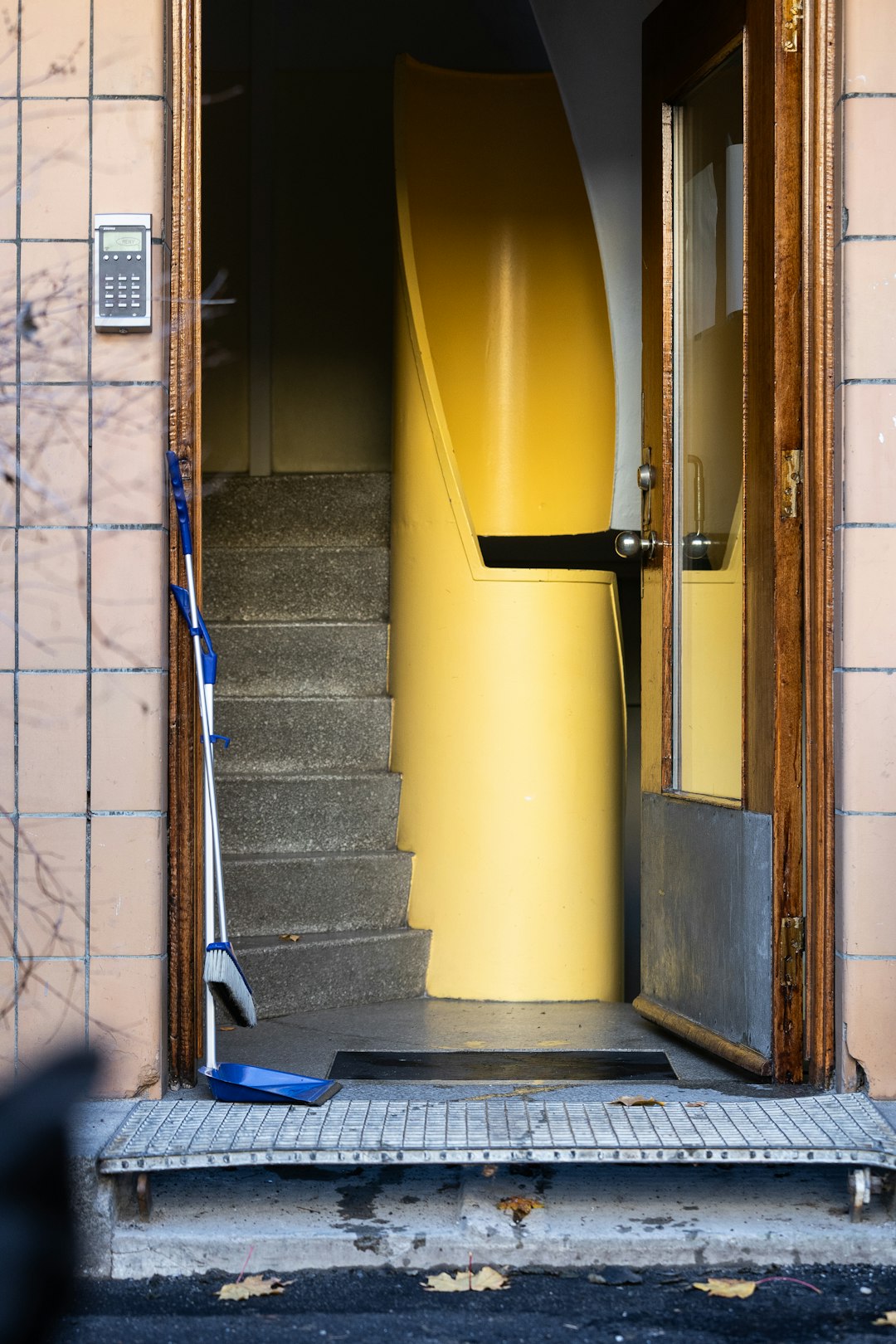
Bereavement house clearance, when handled with sensitivity and expertise, transforms the weight of loss into an opportunity for reflection and renewal. This process, particularly when involving cultural artifacts, requires a nuanced approach that respects the memories attached to objects while ensuring efficient removal. Consider the intricate challenges of clearing a home filled with cherished family heirlooms, rare books, or unique art pieces. Each item tells a story, and the goal is to preserve that narrative while facilitating the legal and emotional aspects of probate and estate planning.
In the UK, the Estate Planning Act and Probate Court guidelines play an important role in managing the clearance process. Legal executors often collaborate with bereavement house clearance support services to handle these complexities. When dealing with a property in Swindon, a specialized team will ensure all legal documentation is in order, while also providing compassionate assistance to the family. They'll handle the sale, auction, or donation of items, ensuring cultural sensitivity and maximizing the value of the estate. This collaboration is vital, especially when dealing with items of historical or artistic significance.
Community-driven initiatives and support groups also offer invaluable assistance. Many estate sales companies and auction houses partner with charitable organizations to facilitate the transfer of valuable items to new owners or collectors. A house clearance in Bedford might result in rare antiques being sold at auction, with a portion of the proceeds going to local grief support groups. This dual approach—optimizing estate value while contributing to community well-being—is a hallmark of successful bereavement house clearance support. By carefully considering the legal, emotional, and community aspects, families can find strength after loss, knowing their belongings are being managed with care and purpose. Visit us at how to find strength after a home clearance to learn more about navigating this delicate process.
Best Practices for Secure and Respectful Disposition of Artifacts
The secure and respectful disposition of cultural artifacts following a bereavement or property clearance is a complex process demanding sensitivity and expertise. In cases where a property contains valuable or culturally significant items, a meticulous approach is essential. This involves careful assessment, legal compliance, and often, specialized services. Consider the preservation of artifacts from a historical home in a protected heritage site. The removal and subsequent care of these items necessitate a deep understanding of both cultural value and legal frameworks.
In the UK, house clearance services often collaborate with estate planning professionals, legal executors, and charitable organizations to ensure artifacts are handled with dignity. A house clearance company in Surrey might work with a local museum to rehome cultural treasures from a family's collection. This collaboration not only preserves legacies but also contributes to community cultural heritage. It's important that these services are equipped with cultural sensitivity training, as artifacts can hold profound personal and historical significance.
Best practices include thorough documentation and cataloging of items, ensuring proper packaging and storage, and adhering to local and international regulations for cultural property. The UK's Heritage Act 1974 and the 1970 UNESCO Convention on the Means of Prohibiting and Preventing the Illicit Import, Export, and Transfer of Ownership of Cultural Property both guide the legal and ethical handling of cultural artifacts. Many house clearance companies, such as those operating in Milton Keynes and Birmingham, offer specialized services for estate sales and auctions, ensuring that valuable artifacts are sold or donated appropriately.
community outreach and involvement can enhance the support. Local cultural groups and museums often provide valuable insights and resources for preserving and interpreting artifacts. A house clearance in Oxford could benefit from the expertise of the Ashmolean Museum to ensure the proper care and eventual display of collected items. By fostering partnerships with these organizations, bereavement support services not only provide efficient property clearance but also contribute to the preservation and celebration of local and national cultural legacies.
Frequently Asked Questions About Estate Clearance for Cultural Artifacts
What is estate clearance, and why is it important for cultural artifacts?
Estate clearance involves the legal and ethical disposition of personal property, including cultural artifacts, left behind by an individual after their passing. This process is important because it ensures that valuable cultural items are not discarded but rather preserved, documented, and, if appropriate, returned to their communities of origin. It's a responsible way to honor the deceased's cultural heritage.
How does the process of estate clearance for cultural artifacts work?
The process begins with an assessment of the estate, including all personal property and cultural artifacts. An expert appraiser or cultural heritage specialist may be involved to identify and value the items. Next, relevant family members or heirs are notified, given the opportunity to claim belongings, and provided with information about the items' potential cultural significance. Finally, artifacts not claimed are either donated to museums or sold at auction, with proceeds going to the estate's beneficiaries.
Who decides what cultural artifacts are preserved or disposed of?
Decisions about the disposition of cultural artifacts rest with the legal heirs or beneficiaries of the estate. They have the final say in what happens to the items, guided by cultural sensitivity and legal obligations. In cases where artifacts hold significant historical or cultural value, experts may advise the heirs on their importance and potential impact on cultural preservation.
What are the legal considerations involved in estate clearance for cultural artifacts?
Estate clearance must comply with state and federal laws, including those related to cultural property rights, cultural heritage preservation, and cultural export regulations. These laws vary by jurisdiction and often require documentation, permits, and ethical considerations to ensure that artifacts are transferred responsibly, respecting their cultural significance and the rights of indigenous communities.
Can family members or heirs refuse to accept or claim cultural artifacts from an estate?
Yes, family members or heirs have the right to refuse to accept or claim cultural artifacts from an estate. This decision can be based on personal, financial, or cultural reasons. However, refusing may impact their share of the estate, as the items might be distributed to other beneficiaries or sold to raise funds.
What role do cultural heritage organizations play in estate clearance?
Cultural heritage organizations, museums, and non-profits often collaborate in estate clearance to provide expertise, resources, and safe storage for cultural artifacts. They may also assist in the disposition process, ensuring that artifacts are preserved or shared responsibly with communities that have a cultural connection to them. These organizations can also help educate families and the public about the importance of cultural heritage preservation.
As we conclude, the critical role of the support in handling cultural artifacts becomes evident. Protecting and respecting these artifacts, often imbued with profound historical and emotional value, requires a nuanced understanding of both legal frameworks, as guided by the Estate Planning Act and Probate Court regulations, and the ethical dimensions of grief. This process, as we've seen, is particularly delicate, necessitating the expertise of legal executors and specialized estate sales companies.
Best practices for the secure disposition of cultural artifacts include engaging in community outreach and cultural sensitivity training for staff, ensuring the involvement of charitable organizations and support groups to provide grief support for affected families. These steps not only safeguard valuable artifacts but also honor the legacy of the deceased while respecting the needs of their loved ones.
By adopting these practices, the support can serve as a beacon of respectability and cultural stewardship. It offers a complete approach to estate clearance, transforming a challenging process into one that celebrates the life and contributions of the departed while preserving the cultural heritage they left behind.
Cultural artifacts hold immense value, reflecting communities' heritage and stories. Bereavement house clearance services must respect and preserve these items, collaborating with experts, cultural organizations, and legal professionals. In the UK, regional differences in cultural legacies require specialized handling, with services offering grief support alongside efficient clearance. The process involves legal frameworks, ethical considerations, and community engagement, ensuring artifacts' proper disposition and contributing to cultural preservation.