Bereavement house clearance involves balancing emotional considerations with practical tasks. Key steps include planning, categorizing items, financial management, and seeking grief support. Professional assistance, sentimental item curation, space transformation, and grief support aid a smoother transition during this challenging time, offering bereavement house clearance support for peace and closure.
Dealing with a loved one’s passing is an intensely personal and emotionally charged process. One of the most daunting tasks that follows is clearing out their home—a physical manifestation of their life, memories, and belongings. This can be an overwhelming and sentimental experience, often fraught with legal and practical hurdles. This article provides essential guidance for navigating bereavement house clearance support, offering expert advice on every step from assessing the situation to disposing of items responsibly. We aim to equip you with the knowledge and tools needed to tackle this difficult task with dignity and respect.
- Assessing the Situation: Dealing with Bereavement and House Clearance
- Practical Steps for Clearing Out a Loved One's Home
- Support and Resources for Compassionate Bereavement House Clearance
Assessing the Situation: Dealing with Bereavement and House Clearance
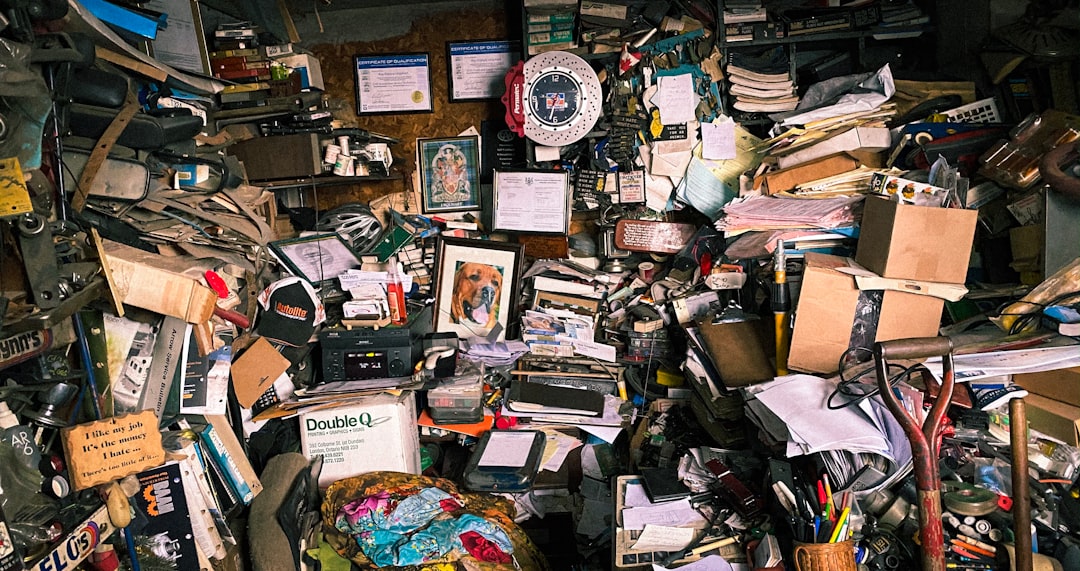
Dealing with Bereavement and House Clearance
Losing a loved one is an intensely emotional process, made even more challenging when faced with the task of clearing out their home. This period can be particularly difficult as individuals grapple with grief while also navigating practical considerations. Assessing the situation requires careful thought and planning to ensure that the clearance process respects the memories and cultural traditions associated with the deceased while also handling financial and logistical aspects competently.
The first step in bereavement house clearance is recognizing the unique emotional and physical demands it places on individuals. Grieving often involves a complex mix of feelings, including sadness, anger, guilt, and even relief—all of which can complicate decision-making. It’s crucial to acknowledge these emotions and be patient with yourself or your loved ones during this time. Consider seeking professional grief support from counselors or bereavement groups to navigate the house clearance process more effectively.
When assessing items within the home, it’s essential to differentiate between sentimental and practical. Sentimental items hold memories but may not have ongoing utility. It can be therapeutic to honor these memories by taking photos, creating a keepsake box, or donating items to causes that align with your loved one’s passions. For example, if they were an avid gardener, consider passing on their tools and plants to a local community garden. This approach allows for the preservation of some aspects of their life while decluttering the remaining space.
Financial considerations play a significant role in bereavement house clearance. Dealing with estate planning documents, insurance policies, and debts can be daunting but is crucial for settling affairs efficiently. It’s beneficial to consult an attorney or financial advisor who specializes in these matters to ensure all legal and financial aspects are handled correctly. Additionally, understanding the tax implications of the sale or disposal of assets is essential to avoid unnecessary financial burdens.
Transforming a cluttered home after loss requires careful planning and a step-by-step approach. Start by organizing items into categories: keep, donate, sell, or discard. Consider working with professional organizers who have experience handling bereavement clearances. They can provide valuable insights into downsizing and decluttering while offering compassionate support throughout the process. This structured approach helps create a sense of control during an otherwise overwhelming time.
Finding closure after bereavement house clearance involves creating a meaningful tribute to your loved one. This could include hosting a memorial service in their honor, planting a tree, or establishing a scholarship fund. Donating items from their home to charities or causes they cared about is another way to extend their legacy. It’s also beneficial to involve friends and family members who can provide emotional support during this transitional phase.
The process of handling sensitive items requires tact and discretion. Documents like legal papers, medical records, and personal correspondence should be handled with care and respect for privacy. It may be helpful to consult a professional organizer or estate-clearing service that understands the delicate nature of these materials. They can ensure these items are disposed of securely while maintaining confidentiality.
In cases where hoarding was an issue during the deceased’s lifetime, it’s crucial to address this challenge with sensitivity and understanding. Hoarding is often linked to trauma, loss, or mental health conditions, so a compassionate approach is necessary. Consider involving a professional therapist who specializes in compulsive hoarding to help develop strategies for prevention and support.
Supporting children during bereavement house clearance requires patience, empathy, and age-appropriate explanations. Involving them in the process can be therapeutic if done carefully. Encourage them to share memories and stories about their loved one while also providing opportunities for creative expression through art or writing. Preserving heirlooms that hold sentimental value can help maintain a connection to the deceased.
Ultimately, the goal of bereavement house clearance is not just to transform a physical space but also to support individuals in finding peace and healing after loss. Visiting us at bereavement clearance for large estates anytime can provide tailored guidance and expert assistance during this challenging time.
Practical Steps for Clearing Out a Loved One's Home

Clearing out a loved one’s home can be an incredibly difficult task, both emotionally and logistically. During this sensitive time, it’s crucial to approach the process with care and respect for the memories associated with the items inside. Here are practical steps for clearing out a bereavement house, along with expert insights on handling sentimental items, financial considerations, cultural traditions, and finding closure after loss.
Starting with an assessment, create a plan tailored to your needs and the deceased’s wishes. Consider engaging professional bereavement house clearance support, like Oxford Bereavement in Wiltshire or Cheltenham Bereavement services, for expert guidance and compassion. These specialists understand that each home tells a unique story and treat every space with dignity. They can also help navigate the practical aspects, such as insurance claims, estate sales, or donations, ensuring all paperwork is handled correctly.
Dealing with sentimental items requires delicate consideration. While it might be tempting to keep everything, remember that hoarding after bereavement can complicate the process and prolong healing. Instead, curate meaningful mementos that represent your loved one’s life and values. For example, preserve heirlooms, photographs, or journals, but let go of duplicates or items with no sentimental value. This process, though difficult, allows you to honor memories naturally.
After clearing the space, focus on transforming it into a place of comfort and peace. Consider donating useful items in good condition to local charities or individuals in need. Organize storage solutions for remaining personal effects, ensuring easy access during the grieving process. Lastly, seek grief support both before and after the house clearance to help manage emotions. Whether visiting us at our support center or engaging with a therapist, finding healthy coping mechanisms is essential for navigating this life transition.
Support and Resources for Compassionate Bereavement House Clearance

Dealing with the aftermath of a loved one’s passing is an incredibly challenging process, made even more complex by the task of clearing out their home. Bereavement house clearance support is crucial during this time, offering both practical assistance and emotional comfort. Many people find it difficult to know where to begin or how to navigate the various aspects of this process, especially when dealing with sentimental items and financial considerations.
Organizations like Oxford Bereavement Clearance in areas such as Swindon, Cheltenham, and Gloucester provide specialized services tailored to individuals and families experiencing grief. These professionals offer not just physical assistance in clearing the space but also a supportive environment to work through the emotional aspects of the process. They understand that every item within a home holds memories, and they handle each possession with care and respect, ensuring cultural traditions are observed during clearance.
The bereavement house clearance support process involves several key elements. Firstly, assessing what needs to be kept versus disposed of or donated is essential. Sentimental items can be challenging; deciding how to honor the memory of a loved one while also finding closure is a delicate balance. Experts recommend creating categories for belongings and considering whether each item serves a purpose in your life moving forward. For example, preserving heirlooms or special keepsakes that represent significant memories may be appropriate, whereas clothing or other practical items might be better suited for donation to charities supporting causes close to the deceased’s heart.
Finances are another critical aspect of bereavement house clearance support. Individuals and families often face unexpected costs during this time, such as estate sales, professional clearance services, and administrative fees. It is crucial to understand these financial implications and explore available options for managing them, including any benefits or grants that might be applicable. Organising donations from clearances can also be a meaningful way to honor the deceased’s legacy by supporting causes they cared about. Visiting us at [your brand/NAP] provides access to resources and guidance tailored to navigating these complex financial matters with compassion.
Moreover, post-clearance emotions require attention. The process of transforming a cluttered home into a peaceful space can be therapeutic but also trigger intense feelings of loss. Engaging in activities that help process grief, such as writing memories down or creating memorial boxes for meaningful items, can offer closure and support during this transition. It’s important to remember that everyone copes differently; finding what works best for you is essential. Whether it’s spending time in nature, engaging in creative outlets, or connecting with supportive friends and family, developing healthy coping mechanisms after bereavement house clearance is vital for long-term healing.
The process of clearing out a loved one’s home is a delicate yet essential step in the bereavement journey, requiring both practical know-how and compassionate support. This article has guided readers through assessing the situation, understanding the unique challenges of bereavement house clearance, and providing valuable practical steps to navigate this often emotional task. Key takeaways include the importance of taking time for personal healing during the process, seeking professional assistance when needed, and leveraging available resources to ease the burden. By combining these insights with a focus on compassionate support, individuals can ensure that clearing out a loved one’s home is approached with both dignity and care, reflecting the deep love and respect they held for their departed relative or friend. Bereavement house clearance support is not just about physical space; it’s about honoring the memory of a loved one while making practical steps towards new beginnings.