
Grief varies culturally, influencing bereavement practices like house clearance. Professional support is crucial in regions with diverse rituals (Northamptonshire, West Sussex, Dorset), respecting privacy, documenting home history, and adhering to cultural customs for disposition. Services tailored to local traditions in Dorset, Buckinghamshire, Essex help families navigate loss beyond physical decluttering. Bereavement house clearance goes beyond cleaning, symbolizing closure globally; specialized services ensure respect for family traditions and privacy during estate clearance. Community support and professional assistance provide comfort, fostering belonging during profound loss across the UK.
Grief is a universal human experience, yet its expression and management are deeply influenced by cultural traditions. When facing bereavement, individuals often turn to these traditions for comfort and support. However, the process of grieving can be complex, especially when intertwined with cultural practices that may vary widely across communities. This article delves into the intersection of grief and cultural traditions, exploring both the challenges and the potential for healing. We offer practical guidance, including how bereavement house clearance support naturally arises from an understanding of these cultural contexts, empowering readers to navigate their grief in ways that honor both personal and communal beliefs.
- Understanding Grief Across Cultures: A Global Perspective
- The Role of Rituals in Traditional Bereavement Practices
- Symbolism and Ceremony: Honoring the Deceased
- Family Dynamics and Support Systems During Grief
- Bereavement House Clearance: Navigating Cultural Sensitivities
- Finding Comfort in Community and Professional Support
Understanding Grief Across Cultures: A Global Perspective

Grief is a universal human experience, yet its expression and coping mechanisms vary greatly across cultures. Understanding these cultural differences in bereavement practices is crucial when providing support for families navigating loss, especially during the process of bereavement house clearance—a sensitive task that requires sensitivity to diverse customs. In Northamptonshire, West-Sussex, Dorset, and beyond, communities observe distinct rituals and traditions surrounding death and dying, reflecting their values and beliefs.
Cultural contexts shape how individuals and families confront grief, with practices ranging from communal mourning in some societies to more private, introspective rituals in others. For example, many Asian cultures emphasize collective sorrow, often closing businesses and schools during funeral proceedings. In contrast, Western societies tend towards more individualistic approaches, focusing on supporting the bereaved through personal gestures and memorial services. These variations highlight the importance of cultural sensitivity when offering bereavement house clearance support to ensure a respectful and meaningful process for all families.
Ethnographers have documented numerous unique practices worldwide. Some cultures incorporate specific rituals into their mourning processes; others rely heavily on community support networks. In some communities, traditional healers or spiritual leaders play pivotal roles in guiding the grieving process. For instance, in certain African tribes, elders conduct ceremonies that blend music and dance to honor the departed and provide solace for the living. Understanding these cultural nuances is essential when families engage professional bereavement house clearance services, ensuring practices align with their traditions.
When a family requests help with clearing a loved one’s home after their passing, it’s vital to approach the task with cultural awareness. This includes respecting privacy, documenting the history of the home through conversations and photographs (if desired by the family), and adhering to any specific customs or beliefs that may influence dispositional practices. By acknowledging and valuing cultural traditions surrounding bereavement, professional clearance services in Northamptonshire, West-Sussex, Dorset, and around the world can offer compassionate support tailored to each family’s unique needs during their time of profound loss.
The Role of Rituals in Traditional Bereavement Practices
Grief is a universal human experience, yet its expression and management are deeply influenced by cultural traditions. In many societies, rituals play a pivotal role in traditional bereavement practices, providing a framework for understanding and coping with loss. These ceremonies serve as powerful tools to support individuals navigating the complex emotions associated with grief, offering comfort, community, and a sense of closure.
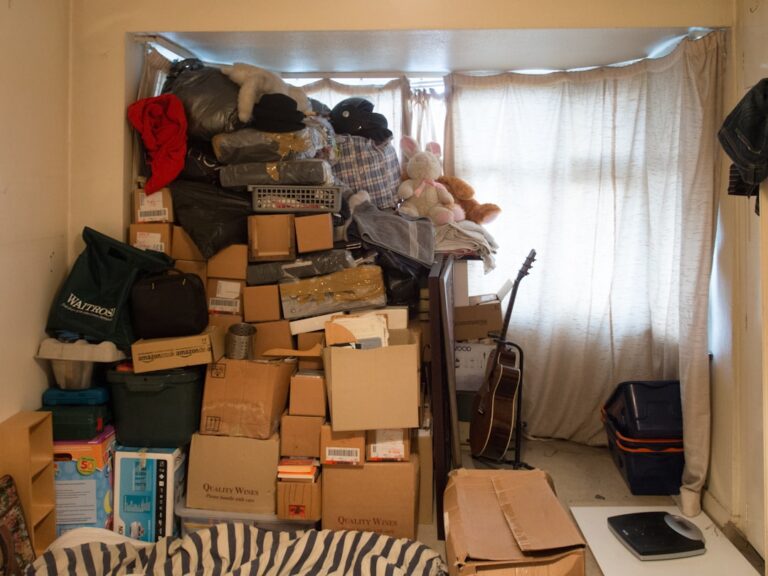
One notable aspect is the concept of the ‘bereavement house clearance’, a practice deeply rooted in cultural traditions across various regions. In many cultures, when someone passes away, their home becomes sacred ground, requiring specific rituals for clearing and preparing it for new occupants. This process goes beyond mere physical cleanup; it involves symbolic acts to honor the departed, release attachments, and mark the transition between life and death. For instance, in some Asian cultures, burning incense or offering prayers within the bereavement house is customary, believed to guide the spirit of the deceased safely on their afterlife journey.
In regions like Cambridgeshire, Essex, and Hertfordshire, where cultural diversity is prevalent, bereavement house clearance practices can vary significantly. These regional differences highlight the richness and complexity of cultural traditions surrounding grief. For example, a family in Cambridgeshire might employ local customs that involve community members coming together to respectfully remove personal items from the deceased’s residence, while a similar ceremony in Essex could incorporate unique local rituals passed down through generations.
To ensure these sensitive tasks are handled with respect and legally, individuals facing bereavement house clearance should seek professional support from specialized companies. By calling upon experts in this field, one can avoid potential legal pitfalls and cultural insensitivities. These professionals not only provide essential house clearance services but also offer guidance tailored to the specific cultural traditions of the region, ensuring a meaningful and respectful transition for all involved.
Symbolism and Ceremony: Honoring the Deceased

Grief is a universal human experience, yet cultural traditions offer unique ways to navigate this difficult journey. One profound aspect of many cultures is the symbolism and ceremonies surrounding the honoring of the deceased. These rituals provide a sense of comfort, closure, and community support during bereavement.
In many cultures, the act of clearing and preparing a space, often referred to as a bereavement house clearance service in Berkshire or East Sussex, holds deep symbolic meaning. It signifies the transition from life to death and represents a physical and spiritual purification process. For instance, in some Asian traditions, the deceased’s home is thoroughly cleaned and decorated with specific items believed to guide the spirit into the afterlife. This meticulous process, often performed by close family members or bereavement support services, ensures that the departed’s final resting place is as peaceful as possible.
Ceremonies play a vital role in cultural grief practices, offering rituals that can include prayers, offerings, and memorial events. These gatherings provide an opportunity for community members to come together, share stories, and offer their condolences. For example, in Native American cultures, a “sweeping ceremony” may be conducted, where participants sweep the area where the deceased once lived with sage or other herbs to cleanse and honor the space. Similarly, some African tribes perform elaborate funeral rites that involve dancing, singing, and the presentation of gifts to ensure the spirit’s safe journey to the afterlife.
Finding a balance between cultural traditions and modern bereavement practices is essential for those experiencing grief. Engaging with cultural rituals can provide comfort and support, especially when combined with professional assistance like Berkshire Bereavement house clearance services. These experts understand the importance of honoring cultural traditions while also ensuring a respectful and peaceful transition for both the family and the departed soul. By embracing these customs, individuals can find solace and create a sense of peace in the midst of sorrow, as suggested by the concept of “how to find peace in a cleared sanctuary.”
Family Dynamics and Support Systems During Grief

Grief is a deeply personal experience that varies greatly across cultures, yet many universal dynamics emerge within family systems when facing loss. In Dorset, Buckinghamshire, or Essex, bereavement house clearance support plays a crucial role in helping families navigate the aftermath of a loved one’s death. This process extends beyond mere physical decluttering; it involves creating space for mourning, providing practical assistance during an emotional time, and offering cultural rituals that honor the deceased.
Family dynamics during bereavement are complex and highly individual. In many cultures, close-knit families serve as primary support systems, providing comfort, shared memories, and a sense of continuity. In some families, this might involve preparing meals together, sharing stories of the deceased, or participating in funeral rituals that have deep cultural significance. For example, certain communities may include specific mourning practices such as wearing black for an extended period, creating memorial altars, or performing cultural dances to express grief and community solidarity. These shared rituals can be profoundly comforting, offering a sense of belonging and collective support during an otherwise isolating experience.
However, not all families operate within the same framework. Modern family structures often include multiple generations, blended families, or individuals who live far from extended relatives. In such cases, bereavement house clearance support becomes even more critical in filling gaps left by absent or overwhelmed family members. Local services specializing in Dorset bereavement house clearance, Buckinghamshire bereavement clearance, and Essex bereavement house clearance can step in to provide essential assistance. These professionals offer not only practical help with sorting through belongings but also emotional support tailored to diverse cultural needs. They understand that every family has its unique way of honoring the dead and can facilitate these rituals, ensuring that the deceased is remembered appropriately within the context of each individual’s culture and beliefs.
Practical steps include establishing a dedicated space for remembrance, such as a bereavement room or memorial area, filled with personal items, mementos, and photos that evoke positive memories. This process can be facilitated by local house clearance services who understand the sensitivity involved. They work in collaboration with families to create meaningful arrangements, ensuring that the transition from the deceased’s presence to an empty space is managed with care and respect. Furthermore, these professionals can assist in organizing any cultural or religious ceremonies, providing a level of comfort that allows grieving family members to focus on their emotional well-being during what is undoubtedly one of life’s most challenging periods. Give us a call at local bereavement clearance services near me for personalized support tailored to your specific needs and cultural traditions.
Bereavement House Clearance: Navigating Cultural Sensitivities

Grief is a universal human experience, yet cultural traditions profoundly shape how we mourn and remember our loved ones. When a family faces the loss of a relative, navigating bereavement house clearance becomes an essential aspect of their healing process. This delicate task requires sensitivity to cultural practices, especially in regions like West Sussex, Bristol, and Hertfordshire where diverse customs may exist alongside traditional Western rituals.
In many cultures, bereavement house clearance goes beyond simple cleaning; it symbolizes closure and prepares a space for new beginnings. For families adhering to specific traditions, this process demands specialized support. They might prefer methods that respect ancestral practices, such as incorporating cultural artifacts or following specific rituals for the disposition of remains. A professional bereavement house clearance service, therefore, should offer tailored solutions while ensuring the utmost discretion and care.
In large estates, where extensive cleaning and restoration may be required, specialized companies like ours provide crucial support during this challenging time. We understand that every family has unique needs and cultural considerations. Hence, we tailor our services to respect religious or spiritual beliefs, offering discreet and compassionate bereavement house clearance in West Sussex, Bristol, and Hertfordshire. Our goal is to facilitate the transition from mourning to remembrance while respecting the privacy and dignity of the affected families.
By finding us at bereavement clearance for large estates, families can rely on professionals who not only excel in estate clearance but also possess a deep understanding of cultural sensitivities. This holistic approach ensures that bereavement house clearance becomes a supportive and respectful experience, allowing families to focus on honoring their loved ones’ memories in a way that feels authentic to them.
Finding Comfort in Community and Professional Support

Grief is a deeply personal experience, often amplified by cultural traditions that offer comfort or ritual during difficult times. When someone passes away, communities across the UK—from North Yorkshire to Gloucestershire and Wiltshire—have unique practices for supporting bereaved individuals. These range from quiet reflection in peaceful settings to communal gatherings where loved ones can share stories and memories.
In many cases, professional support plays a vital role in the grief process. Bereavement house clearance services, often offered by specialized companies, provide practical assistance during an emotionally taxing time. These companies offer more than just removal of belongings; they offer a sympathetic ear, careful handling of sentimental items, and discreet execution of tasks that allow individuals to focus on their healing. For instance, in North Yorkshire, Gloucestershire, and Wiltshire, bereavement house clearance services have become increasingly popular as people recognize the value of professional help in navigating the aftermath of loss.
Finding comfort in these cultural traditions and professional support networks is essential for managing grief. While each person copes differently, engaging with community resources can foster a sense of belonging and provide much-needed respite during the bereavement process. For those facing the loss of a loved one and subsequent house clearance, visiting us at [grief support during house clearance process] can offer valuable guidance tailored to their specific needs, helping them navigate this challenging time with dignity and compassion.
Understanding grief across cultures offers a nuanced perspective on coping with loss, highlighting the importance of rituals and symbolism in traditional bereavement practices worldwide. The article emphasizes how family dynamics and support systems play a vital role in navigating grief, emphasizing the need for sensitivity during bereavement house clearance. By recognizing cultural traditions, communities can provide more effective comfort and support, both from within and outside affected families. Readers gain insights into the global dimensions of grief, practical considerations for cultural sensitivity in bereavement house clearance, and the value of community and professional support networks as natural coping mechanisms.