
Bereavement house clearance involves managing sentimental items, financial aspects, and emotional healing after a loss. Professional services like Oxford Bereavement Clearance offer tailored support, handling donations, sales, and sensitive items. Post-clearance, transforming spaces can aid personal growth and honor the deceased's legacy. This process requires both professional backing and individual resilience, with ethical considerations paramount. Support groups and open conversations facilitate healing during life transitions.
Estate sales, often fraught with emotional complexity during bereavement house clearance situations, are gaining cultural significance as a means of preserving legacies while offering essential support to those in mourning. This phenomenon intersects personal loss, family history, and the preservation of cultural artifacts, demanding a nuanced understanding from professionals who can guide families through this challenging process. By examining the cultural perspective on estate sales, we uncover not only practical solutions for bereavement house clearance but also highlight the profound role these transactions play in shaping our collective memory and heritage. In this article, we delve into the intricate relationship between estate sales, cultural preservation, and the compassionate support needed during times of profound loss.
- Understanding Estate Sales: A Bereavement Context
- The Cultural Significance of House Clearance
- Supporting Families Through Post-Bereavement Clearance
- Ethical Considerations in Estate Sale Management
- Community Impact and Bereavement Support Services
Understanding Estate Sales: A Bereavement Context
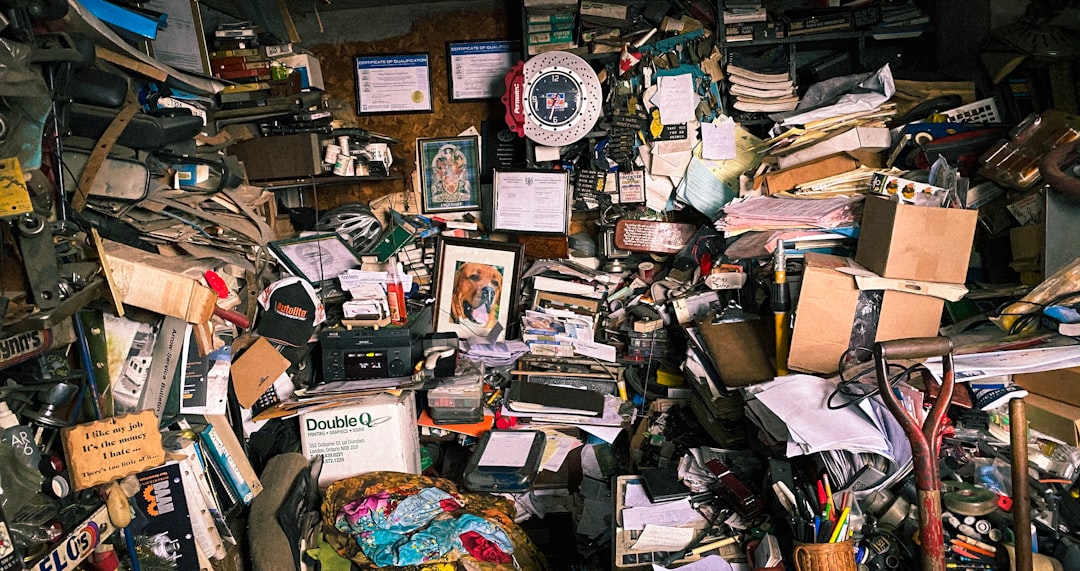
Estate sales, particularly when occurring after a bereavement, are fraught with emotional complexities. This process, often referred to as bereavement house clearance, is not merely about selling possessions; it’s about transforming a space that once held cherished memories into a new beginning. Oxford Bereavement Clearance, for instance, understands this deeply, offering specialized support in Wiltshire, Cheltenham, Gloucester, and beyond.
The initial steps involve dealing with sentimental items, which can be challenging. How to honor the memory of a loved one while also letting go is a delicate balance. Experts suggest involving children in the decision-making process where appropriate, explaining the reasons behind each item’s retention or discarding. Preserving heirlooms and cultural artifacts not only respects the deceased’s wishes but also provides tangible connections to their life and legacy.
The financial aspects cannot be overlooked. Estate sales can help alleviate some of the financial burden following a loss, but it’s crucial to handle these matters with sensitivity and expertise. Professional clearance services, like those found in Oxford Bereavement Clearance, are well-equipped to navigate these complexities, ensuring that every aspect of the process—from organizing donations to managing sensitive items—is handled with care.
Coping mechanisms after bereavement clearance are multifaceted. Finding peace involves acknowledging the loss, honoring memories, and creating new spaces that reflect personal healing. Selling items from a bereavement clearance can be therapeutic, providing a sense of closure and even contributing to causes close to the deceased’s heart. Ultimately, transforming a cluttered home into a peaceful sanctuary is about embracing change while cherishing the legacy of a loved one—a process that requires both professional support and personal resilience.
The Cultural Significance of House Clearance
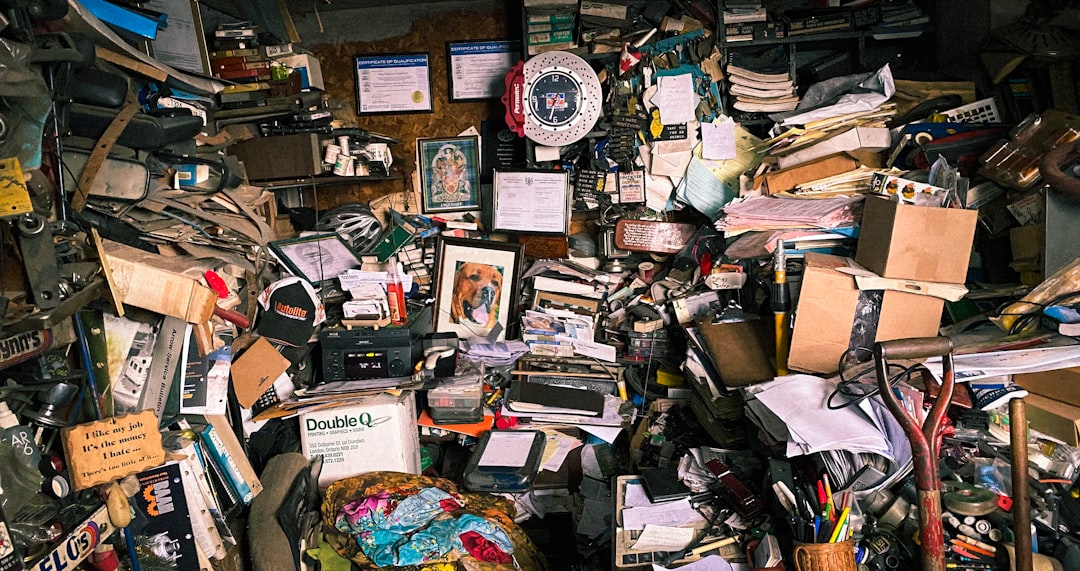
The cultural significance of bereavement house clearance goes far beyond simply clearing out a home after a death. It is a deeply personal and often complex process that requires sensitivity, care, and expert guidance. In communities like Oxford, Swindon, Cheltenham, Gloucester, and beyond, bereavement house clearance support is crucial for individuals and families navigating the aftermath of loss. This process involves not only dealing with the practical aspects of clearing a home but also honoring the memories of the deceased and coping with the emotional weight of change.
During the bereavement house clearance process, individuals must confront and manage a multitude of sentimental items, each holding unique memories and emotional significance. Deciding what to keep, donate, or sell can be overwhelming, but it offers an opportunity to transform and honor the legacy of the loved one. Experts recommend a step-by-step approach, focusing on creating a plan tailored to the deceased’s wishes and cultural traditions. For example, preserving heirlooms and special mementos can provide a tangible connection to the past while allowing for a meaningful memorial to be created afterward.
Managing the financial aspects of house clearance is another critical component. Estate sales, donations, and insurance claims require careful navigation to ensure a fair and just resolution. Professional bereavement house clearance support can streamline these processes, offering peace of mind during an already challenging time. Furthermore, addressing the psychological impact of loss is essential. Coping mechanisms, such as seeking support from friends and family, engaging in creative outlets, or joining support groups, can aid in the healing process. Visiting us at [your NAP/brand] provides access to resources and guidance tailored to these specific needs, helping individuals find closure, honor memories, and transform their living spaces in meaningful ways.
Supporting Families Through Post-Bereavement Clearance

Estate sales, particularly when occurring post-bereavement, play a crucial role in supporting families navigating their grief while transforming cluttered homes into spaces of peace. Bereavement house clearance support is an essential service that goes beyond mere decluttering; it’s about handling sensitive items, preserving memories, and finding closure after the loss of a loved one. In cities like Oxford, Swindon, Cheltenham, Gloucester, and beyond, specialized bereavement clearance services offer crucial assistance to individuals and families trying to cope with the aftermath of grief.
The process involves much more than selling off possessions; it’s about honoring cultural traditions, dealing with sentimental items, and handling the financial aspects of clearing a home. Experts in this field understand that each item holds a memory, and deciding how to preserve or part with them is deeply personal. They provide guidance on coping mechanisms during and after the clearance process, ensuring that families can transform their living spaces while honoring their loved ones’ legacies. For instance, they may suggest ways to sell items from a bereavement clearance, such as through specialized online platforms or local auction houses, allowing for a sense of closure while maximizing proceeds.
Supporting friends and family members during this difficult time is paramount. Professionals in bereavement house clearance offer advice on how to handle sensitive items like personal documents or heirlooms with care, ensuring they reach the right owners or are properly preserved. They also provide practical tips on organizing donations from clearances, which can be a meaningful way to give back to charities or individuals in need. Moreover, these services help families cope with change and find peace after loss by transforming cluttered homes into welcoming, uncluttered spaces that reflect new life circumstances. Whether preserving heirlooms, handling financial affairs, or simply finding closure, bereavement house clearance support offers a structured and empathetic approach to navigating one of life’s most challenging transitions.
Ethical Considerations in Estate Sale Management

Estate sales, often referred to as bereavement house clearances, present a complex interplay of emotions and practical considerations, particularly from an ethical perspective. As families navigate the difficult process of clearing out a loved one’s belongings, they are faced with numerous challenges that extend beyond mere physical disorganization. This involves delicately handling sentimental items, managing financial responsibilities, and addressing potential cultural or religious traditions. For instance, in cities like Oxford, Swindon, Cheltenham, and Gloucester, where diverse communities thrive, the clearance process must be conducted with sensitivity to varying customs and beliefs surrounding grief and loss.
The ethical dimensions of bereavement house clearance are multifaceted. One of the primary concerns is ensuring that all parties involved, including family members and professional clearers, are treated with dignity and respect. This includes protecting vulnerable individuals, such as children, during the process. Families often grapple with difficult decisions about how to honor their loved one’s memories while also finding practical solutions for dealing with a cluttered home environment post-loss. For instance, deciding how to preserve heirlooms or distribute sentimental items can be emotionally taxing but necessary steps in the healing process. Moreover, navigating the financial aspects of house clearance, including estate sales and donations, requires careful consideration and transparency to avoid any perceived exploitation.
A holistic approach to bereavement house clearance includes addressing the psychological impact on all stakeholders. Many individuals turn to support groups or counseling services during this time, which can provide valuable coping mechanisms for dealing with grief and change. Engaging in meaningful conversations about memories and mementos can help transform a cluttered space into a place of remembrance. For example, creating memorial boxes or designing personalized keepsakes from items found during clearance can serve as powerful tools to preserve memories while finding closure. By adopting these strategies, professional bereavement house clearance services not only assist families in clearing out deceased relatives’ homes but also play a crucial role in facilitating emotional healing and finding peace.
Community Impact and Bereavement Support Services

The estate sales process, particularly when involving bereavement house clearance, is more than just liquidating possessions; it’s a cultural ritual that impacts communities and offers critical support during an individual’s grief journey. This aspect of estate settling has evolved to embrace sensitive handling of sentimental items, cultural traditions, and the preservation of memories, all while addressing the substantial financial aspects.
In cities like Oxford, Swindon, Cheltenham, Gloucester, and beyond, bereavement clearance services have emerged as vital community resources. These professionals understand that each piece in a home holds a story, especially after the passing of a loved one. They provide expert guidance on how to honor cultural traditions during the clearance process while offering practical solutions for dealing with emotional items. For example, preserving heirlooms or specific mementos can be a meaningful way to remember and honor the deceased, ensuring their legacy remains within the family.
During what can be an overwhelming time, these services offer more than just physical removal of belongings. They provide grief support, offering coping mechanisms for individuals and families navigating change after loss. This includes assistance with the financial complexities, such as valuing items for sale or managing insurance claims. The process involves transforming a cluttered home into a serene space, reflecting peace rather than chaos, which can aid in finding closure. Many clients find solace in knowing that their loved one’s possessions are being handled with care and respect, allowing them to focus on their healing journey.
For those supporting friends or family members through bereavement clearance, understanding the process and its potential impact is crucial. Offering practical help—such as assisting with organizing donations or helping to sell items from a clearance—can provide much-needed relief. Additionally, encouraging open conversations about sentimental items and memories helps in the healing process. After all, finding healthy ways to cope with emotional baggage is essential for navigating life’s transitions, and estate sales professionals are equipped to guide individuals through these sensitive issues, ensuring that the clearance process becomes a catalyst for personal growth rather than a source of further distress. Coping mechanisms after bereavement clearance often involve these nuanced steps towards healing, making professional support invaluable during what can be a challenging time.
In conclusion, this article has offered a comprehensive cultural perspective on estate sales, emphasizing their role as integral to the bereavement process. We’ve explored the significance of house clearance, highlighting its cultural importance in marking transitions and finding closure. Key insights include the ethical considerations essential for managing estate sales with sensitivity, ensuring families receive adequate support throughout post-bereavement clearance. The community impact of these services underscores their value in providing vital bereavement support, demonstrating a holistic approach to serving those navigating loss. Moving forward, professionals in this field are encouraged to prioritize ethical practices, cultural competence, and community engagement to enhance the bereavement house clearance support they offer.